


★★★★★★
36k+ reviews
Sarang – World’s Rarest Honey
Wild-harvested honey of the rare Sarang Madhumakhi bee — the same honey inside Suamla & Vakai, now in your own jar
-9%
₹1,480
M.R.P.: ₹1,640

Dr. Nishant Gupta
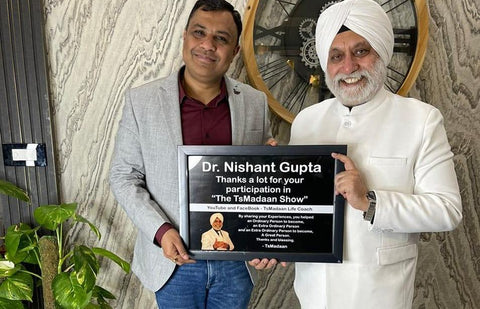
Recognised on national stages
Dr. Nishant Gupta — honours & conclaves




Benefits of Sarang — World's Rarest Honey
🍯 Truly Rare, Truly Raw
–
- Of the 8 honeys described in the Shastras, Sarang is the rarest
- The Sarang Madhumakhi is a fierce wild bee — it cannot be farmed, so every drop is gathered from natural hives
- 90% of India's produce is exported and sold abroad at ₹30,000–50,000/kg
⚡ Natural Energy, The Ayurvedic Way
+
- A traditional natural energiser — a spoon gives instant freshness and taazgi
- No refined sugar, no glucose syrup, no additives — just honey as the hive made it
- A clean daily habit for the whole family
🛡️ Supports Everyday Immunity
+
- Traditionally used in Ayurveda to support the body's natural defences
- A classic base for home nuskhe — with amla, giloy ras and warm foods
- Used for centuries through changing seasons
🌸 A Different Jar Every Season
+
- Multi-floral by nature — bees feed on rose, mango, litchi and other orchards in bloom
- Colour, aroma and texture vary naturally from batch to batch
- That variation is the signature of real wild honey, not a defect
🌿 The Anupan — Ayurveda's Carrier
+
- Ayurvedic texts describe honey as an anupan — a carrier that helps herbs reach where they're needed
- This is why Sarang honey is the base of Suamla, Srimal and Vakai Chyawanprash
- Pair it with your own home remedies to make them more effective
⚖️ Mindful Sweetness
+
- Sweet on the tongue, yet described in the Shastras as releasing a kashaya (astringent) ras after digestion
- Traditionally considered suitable in measured quantity even for those watching their sugar
- Always consult your physician for your individual condition
Customer Reviews
4.8
★★★★★
Based on 36,000+ reviews
★★★★★
85%
★★★★
12%
★★★
2%
★★
1%
★
0%
Rate Sarang – World’s Rarest Honey
Review WhatsApp par aayega — photo bhi wahin bhej sakte ho
Natural Ingredients

Sarang Bee Honey
The rarest of the 8 Shastric honeys
How to Use Sarang Honey
℞
Dr. Nishant Gupta
Ayurvedic Physician · WeShuddhs
℞
Daily Wellness
✅ Take ½–1 teaspoon in the morning, as-is or stirred into plain room-temperature water
✅ Per Charak Samhita, never mix honey into hot water — heat makes it gunheen (loses its qualities)
✅ Make it a family ritual — a spoon a day, all year round
Immunity Routine
✅ Mix 1 tsp amla powder + 2 tsp giloy ras + 1 tsp Sarang honey
✅ Take on an empty stomach in the morning
✅ A traditional nuskha from Dr. Nishant for immunity, energy and clear skin
Summer Coolers
✅ Use instead of sugar in shikanji, sherbets and cold drinks
✅ Sweetens naturally without refined sugar
✅ Add only to cool or room-temperature drinks — never to anything hot
Energy & Nourishment
✅ Grind kali kishmish (black raisins) with a pinch of saunth into a chutney, mix in Sarang honey
✅ Lick a spoon morning and evening — a traditional nourishing combination
✅ Stay consistent for 40 days for best results
Seasonal Throat Comfort
✅ Take ½ teaspoon slowly, letting it coat the throat
✅ Ayurveda describes honey's lekhan (scraping) action as traditionally used for kapha and seasonal cough
✅ Avoid taking honey when your body is overheated — cool down first
With Home Remedies
✅ Use as the anupan (carrier) for your churans and home nuskhe
✅ Shastras describe honey as multiplying the effect of what it carries
✅ The same reason it is the base of Suamla, Srimal and Vakai
👨⚕️
Dr. Nishant's tip: One spoon daily with lukewarm water — never mix into very hot drinks.
All details
Net Quantity
1 kg net weight
Base Ingredients
100% raw Sarang Madhumakhi honey — nothing added
Type
Wild-harvested, multi-floral, traditionally aged (Puraan) honey
Shelf Life
12 months from manufacture (raw honey may naturally crystallise)
Storage
Cool, dry place away from sunlight — never heat or refrigerate
Dosage
½–1 teaspoon, 1–2 times daily, as-is or in plain room-temperature water
FSSAI Lic. No.
12720075000101
Sarang — often called the world's rarest honey — is sourced from the rare Sarang Madhumakhi bees and traditionally aged 8–10 years ('Puraan') for a richer flavour. Antioxidant-rich and 100% pure, it's the same rare honey used in our Suamla.
Address
Shamli, Uttar Pradesh, India
Country of Origin
India
Customer Care
+91 94123 04567 · support@weshuddhs.in
FSSAI Lic. No.
12720075000101
Frequently Asked Questions
How should I take Sarang honey?
Is it suitable for people managing blood sugar?
Is this the same honey used in Suamla and Vakai Chyawanprash?
My honey has thickened or crystallised. Is it fake?
Why does each jar look or taste slightly different?
Why is Sarang honey so special compared to market honey?
How should I store it, and how long does it last?
Is Cash on Delivery available?
₹1,480
